Study Series Note: This study is one in a series of studies on the Bible’s sacred places (tabernacle, temple, etc.). Previous studies focused on the Creation and the Garden of Eden as a Temple.
The last study was devoted to the tabernacle, the portable tent temple, which the Lord established as a place to dwell with the people of Israel. (If you haven’t already, you can read the first part of study six here: https://throughandto.com/2017/02/15/study-6the-tabernacle-in-tents-holiness/#more-752) Understanding the concept of holiness was shown to be crucial for understanding the function of the tabernacle. The tabernacle (along with the later temple) and its priesthood mediated the holiness of God to his wayward people.
Although priests were intermediaries, they still had to go through many rituals to be able to move across the buffers to holiness. They still needed to offer sacrifices for their own sins, and certain actions rendered them unfit for the priesthood. The Book of Hebrews presents Jesus as the perfect high priest who is able to enter the true heavenly tabernacle. Continue reading
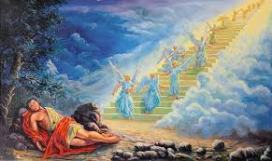
 ’s presence. God walked in the Garden of Eden and was close to the people he created, which was why the Garden was closely associated with the later temple. Visiting the houses of God, therefore, doesn’t always entail entering a structure. In today’s study, we jump forward several chapters in Genesis and many thousands of years.
 studied how Solomon’s prayer at the temple dedication (1 Kings 8) demonstrates a belief that God’s true dwelling was in heaven, despite being able to manifest the Glory presence in the temple. A parallel account of the temple dedication in 1 Kings 8 can be found in 2 Chronicles 5-7.
